
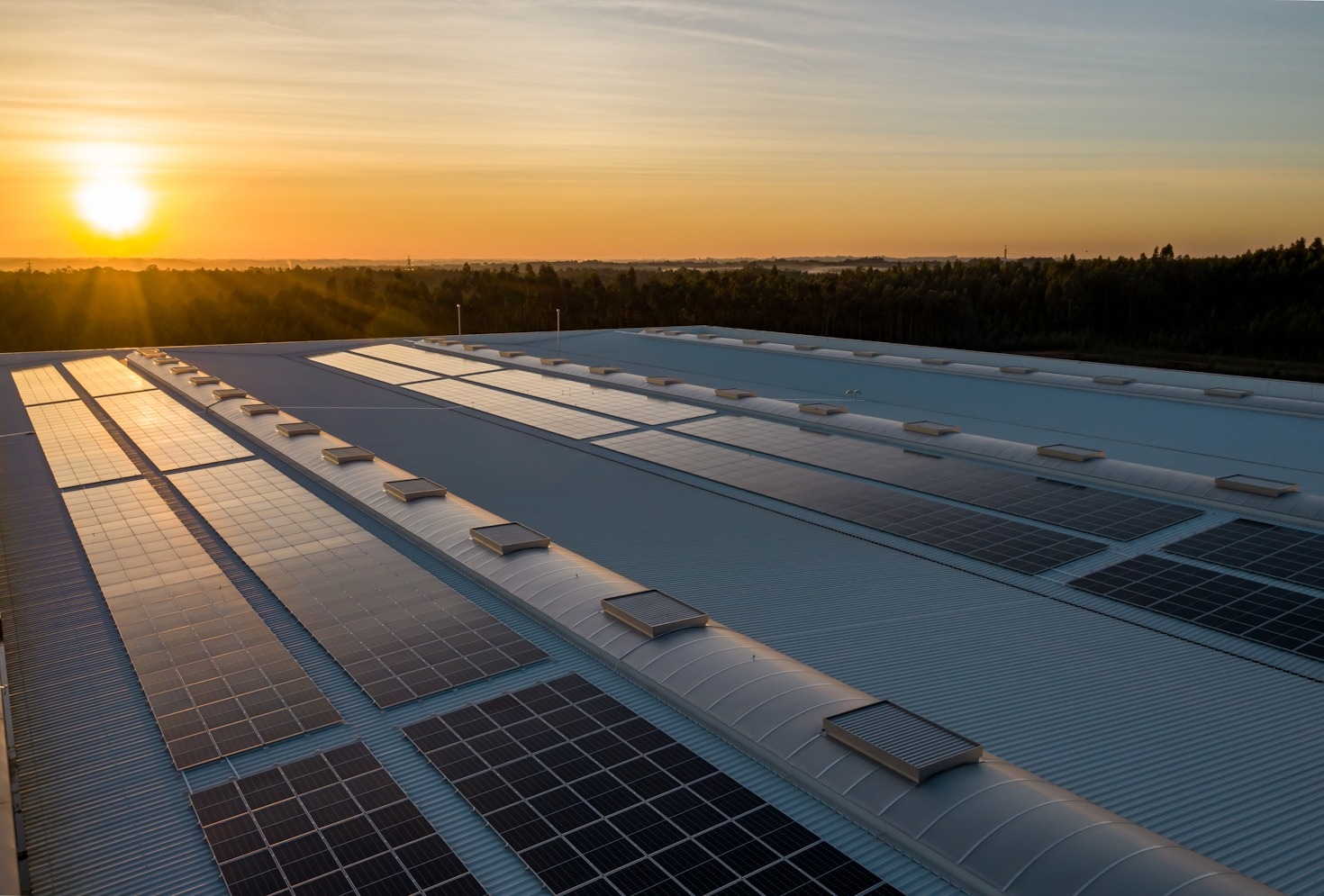
From a solar perspective, advancing renewable energy means more than installing panels. It involves improving grid integration, expanding battery storage, modernizing policy and financing models, and ensuring equitable access for homes, businesses, and communities. Solar’s rapid growth is already reshaping electricity systems: Ember reported that solar was the largest source of new electricity generation globally in 2024 for the third year in a row, while the IEA expects solar PV to continue leading renewable electricity expansion in 2025 and beyond.
Solar energy has moved from an alternative technology to a central driver of the global energy transition. In 2024, solar PV led renewable growth worldwide, with hundreds of gigawatts of new capacity added and total global installed solar capacity reaching roughly 1.9–2.2 terawatts, depending on the source and methodology used. Major energy agencies also project solar to remain the leading source of new renewable power capacity through 2030 because of falling costs, broad scalability, and faster deployment compared with many other technologies.
Sometimes, the simplest moments hold the deepest wisdom. Let your thoughts settle, and clarity will find you. Use this quote space to share something inspirational or reflective, perfectly aligned with the theme of your article.
Solar energy plays a critical role in accelerating the transition toward a cleaner and more sustainable energy system. Unlike fossil fuels, solar power generates electricity without emitting greenhouse gases during operation, making it one of the most environmentally friendly energy sources available today. Advances in photovoltaic technology have significantly improved the efficiency and affordability of solar panels, allowing households, businesses, and governments to adopt solar power at an increasing rate. For example, many countries have introduced large-scale solar farms that can generate electricity for thousands of homes, while smaller rooftop systems enable individual consumers to produce their own power and reduce their dependence on traditional energy grids.
Beyond environmental benefits, solar energy also contributes to economic development and energy security. The solar industry has created millions of jobs worldwide in areas such as manufacturing, installation, maintenance, and research. In addition, solar systems can be deployed in remote or underserved regions where extending traditional power infrastructure may be difficult or expensive. This flexibility makes solar power a powerful tool for expanding access to electricity and supporting community development. As battery storage technologies continue to improve, solar energy will become even more reliable, allowing excess electricity generated during the day to be stored and used at night or during periods of high demand.


As you move toward the midpoint of the article, this paragraph provides an opportunity to connect earlier ideas with new insights. Use this space to present alternative perspectives or address potential questions readers might have. Strike a balance between depth and readability, ensuring the information remains digestible. This section can also serve as a transition to the closing points, maintaining momentum as you steer the discussion to its final stages.
Wrapping Up with Key Insights
In this concluding paragraph, summarize the key takeaways from your article, reinforcing the most important ideas discussed. Encourage readers to reflect on the insights shared, or offer actionable advice they can apply in their own lives. This is your chance to leave a lasting impression, so make sure your closing thoughts are impactful and memorable. A strong conclusion not only ties the article together but also inspires readers to engage further.
Leave a Reply